The Enigmatic Chronicles: History of Bullhead City, Arizona
Bullhead City, a haven etched alongside the Colorado River in Arizona, holds a history rich with tales of exploration, gold rush fervor, and modern development. The city’s evolution paints a vibrant picture of resilience and transformation, intertwined with the tumultuous tales of the American West.



1. The Indigenous Era: Original Inhabitants
Long before European exploration began, the region was home to indigenous communities.
In particular, the Mojave (Mohave) people, known as the Aha Makhav, lived along the Colorado River.
Moreover, they relied on the river for food, travel, and daily life.
Over time, they developed strong traditions and a vibrant culture.
As a result, their connection to the land remained deep and lasting.
2. Exploration and Settlement: The Advent of Newcomers
During the 19th century, European explorers and settlers arrived in the region.
At first, they searched for new territories and opportunity.
Soon after, the discovery of mineral wealth increased migration.
Consequently, prospectors, merchants, and settlers poured into the area.
In turn, their presence reshaped the land and influenced its future.
3. Hardrock Mining: The Pursuit of Prosperity
Because of its proximity to the Oatman Mining District, mining activity expanded quickly.
In particular, hardrock mining became central to the local economy.
As news spread, hopeful miners arrived seeking fortune.
Meanwhile, camps and supply routes developed nearby.
Eventually, mining defined the region’s early growth and identity.
4. The Davis Dam: Harnessing the Colorado River
The construction of the Davis Dam in the mid-20th century was pivotal in shaping Bullhead City’s future. This colossal structure harnessed the mighty Colorado River, fostering agricultural development, ensuring water supply, and creating Lake Mohave, a modern-day recreational treasure.
5. Boom to Cityhood: Establishing Bullhead City
In the wake of the dam’s completion, the burgeoning community, originally known as Bull’s Head Rock, experienced unprecedented growth. The transformation from a transient boomtown to an incorporated city in 1984 marked a significant milestone, laying the foundation for modern-day Bullhead City.
6. Economic Evolution: Diversification and Growth
Post-incorporation, Bullhead City underwent profound economic diversification. The rise of service industries, retail sectors, and tourism outlets shaped the city’s economic landscape, reducing reliance on mining and paving the way for sustained growth and prosperity.
7. A Recreational Hub: The Rise of Tourism
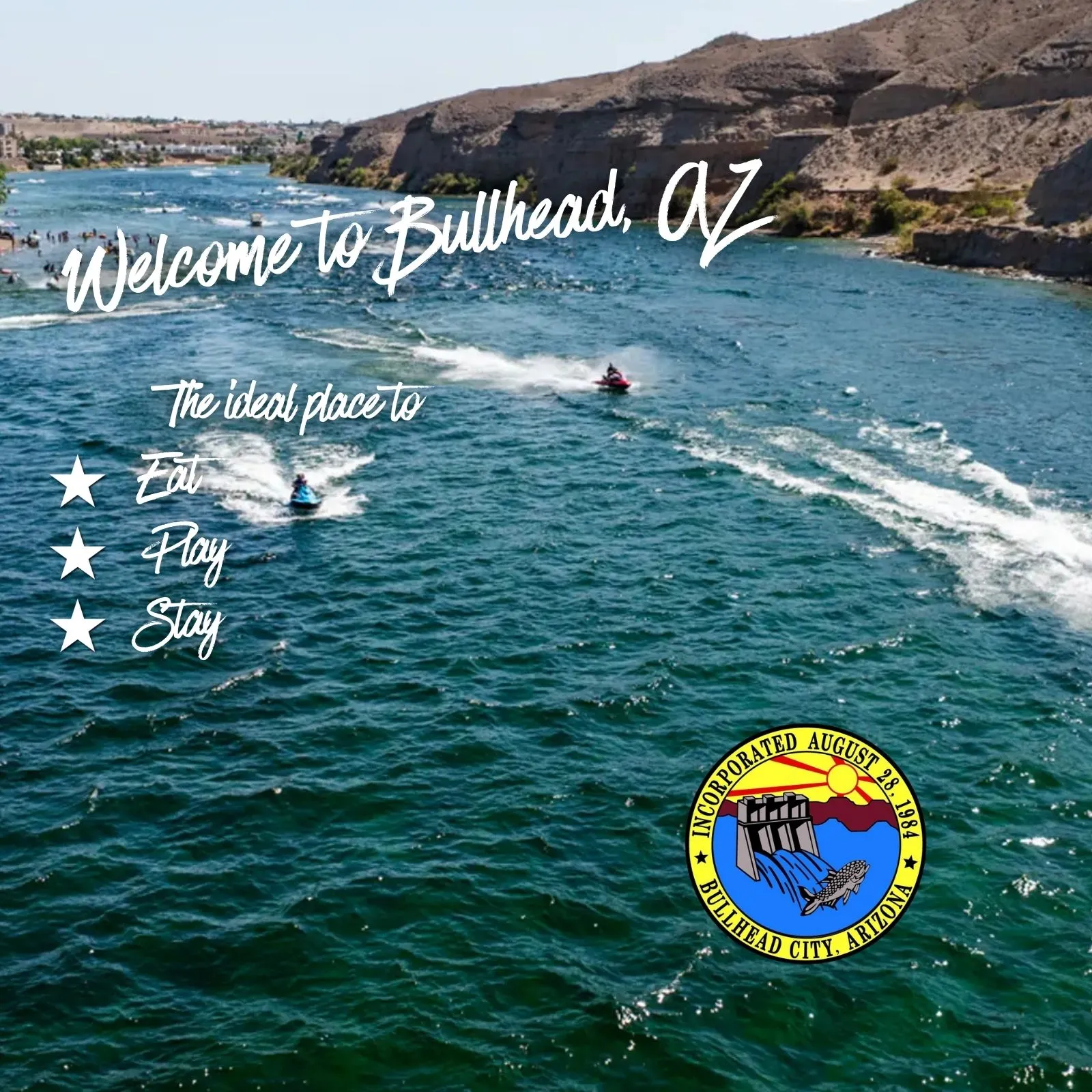
Nestled amidst stunning landscapes and the tranquil Colorado River, Bullhead City evolved into a prominent recreational hub. The influx of tourists, drawn by the city’s scenic beauty and recreational offerings, bolstered the local economy and carved a niche for the city in Arizona’s tourism sector.
8. Community and Culture: Fostering Societal Bonds
Throughout its evolution, Bullhead City has been a melting pot of diverse communities and cultures. The amalgamation of indigenous heritage, settler traditions, and modern influences has forged a unique cultural tapestry, fostering communal harmony and shared societal values.
9. Educational Developments: Nurturing Future Generations
The city’s commitment to education is evident in the establishment and continual development of schools and educational institutions. These establishments play a crucial role in nurturing future generations, instilling knowledge, and fostering a learning-centric environment within the community.
10. Bullhead City Today: A Modern Desert Oasis
Present-day Bullhead City is a harmonious blend of historical legacies and modern innovations. The city’s continual development, coupled with its enduring charm and diverse recreational options, makes it a sought-after destination for residents and visitors alike.
Conclusion: A Journey Through Time
The history of Bullhead City, Arizona, is a fascinating journey through time, marked by indigenous legacies, exploration endeavors, mining booms, and modern-day advancements. The city’s story is a testament to the enduring human spirit, adaptability, and the relentless pursuit of progress. It has evolved from its indigenous roots and mining-centric past to become a vibrant city teeming with cultural richness, economic resilience, and boundless recreational possibilities. The enigmatic chronicles of Bullhead City continue to enchant and inspire, making it a living, breathing canvas of Arizona’s multifaceted heritage.