Discover the best restaurants in Mesa. Find your next favorite place to eat nearby. From classic American favorites to Southern specialties – there’s something for everyone.
Embrace the celebrations of Mesa annual events. Join in the festivities, experience local culture, and create lasting memories. Be part of the excitement!
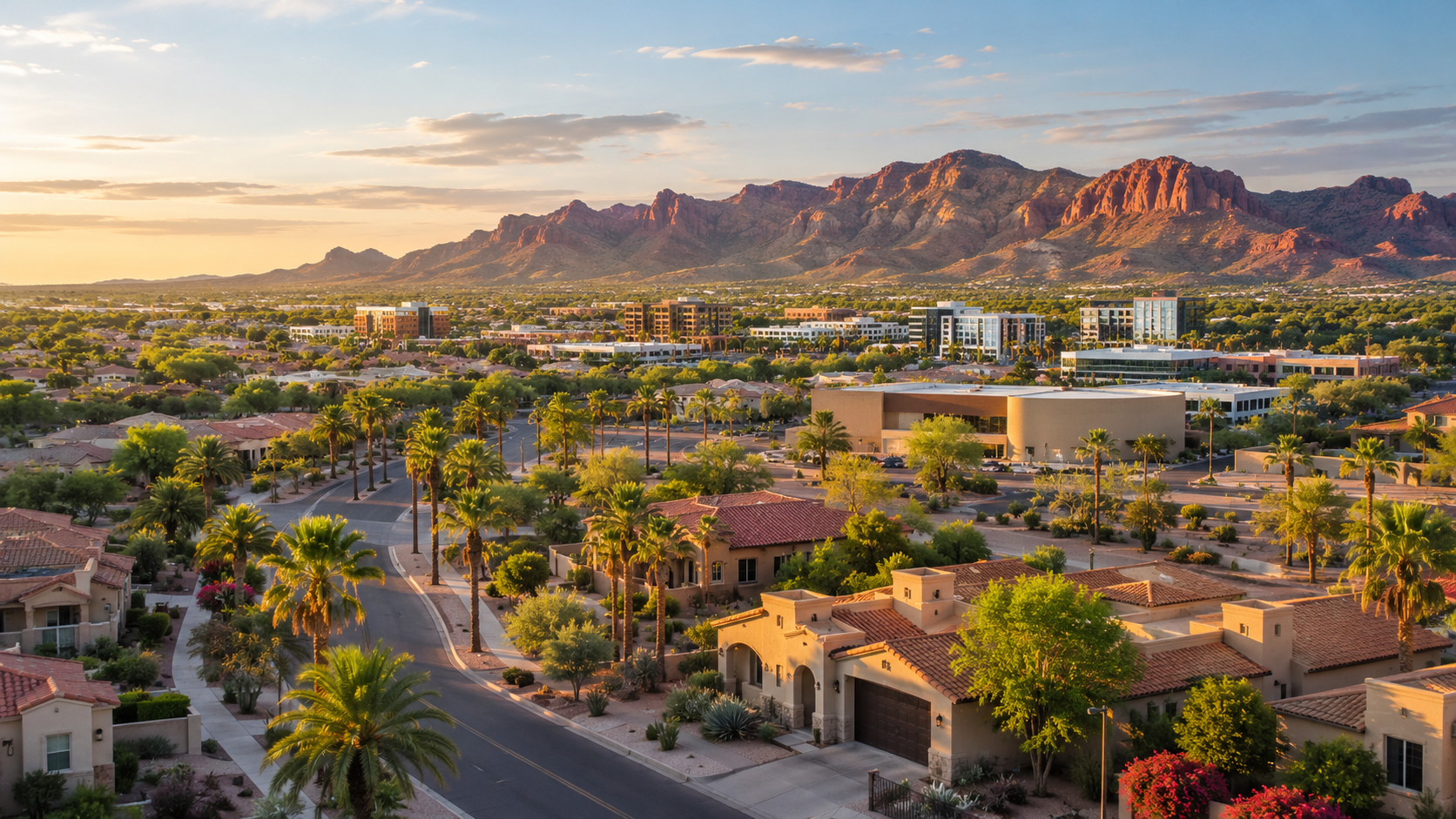
Mesa Arizona offers suburban neighborhoods, desert scenery, growing employment centers, and convenient East Valley access. However, newcomers should carefully compare commute routes and summer cooling costs.
Living in Mesa
Mesa sits in Maricopa County within the Phoenix metropolitan area. The city covers approximately 138 square miles and has more than 515,000 residents.
Because Mesa stretches far east to west, living conditions vary considerably. Downtown feels established, while southeast Mesa contains newer development.
Choosing a Mesa Neighborhood
Central Mesa provides older neighborhoods, local businesses, cultural attractions, and light-rail access. Meanwhile, eastern areas offer newer subdivisions and closer access to desert recreation.
Dobson Ranch, Las Sendas, Eastmark, Red Mountain Ranch, and neighborhoods near downtown provide different housing styles. Therefore, compare schools, commute times, and nearby development before moving.
Housing in Mesa
Mesa offers apartments, condominiums, townhomes, retirement communities, and single-family houses. Housing prices and neighborhood features vary throughout the city.
Before purchasing, review zoning, building permits, flood risks, and planned development. Mesa’s Development Services Department manages land-use planning, permits, reviews, and building inspections.
Working in Mesa
Mesa supports jobs in healthcare, education, aerospace, defense, manufacturing, tourism, technology, and government. Additionally, the Mesa Gateway area continues attracting aviation and advanced-industry development.
Still, workplace location should guide your housing search. Traveling across Mesa or into Phoenix can create a lengthy daily commute.
Getting Around Mesa
Most residents use personal vehicles for everyday transportation. Loop 202, U.S. Route 60, State Route 87, and major surface streets connect Mesa with surrounding communities.
However, Valley Metro provides buses and light rail within Mesa. Downtown circulators, express routes, paratransit services, and regional connections are also available.
Airport Access
Phoenix-Mesa Gateway Airport serves southeastern Mesa and provides convenient passenger travel options. Falcon Field Airport primarily supports general aviation and aviation-related businesses.
Phoenix Sky Harbor International Airport offers additional flight choices. Travel time varies depending on traffic and your Mesa neighborhood.
Preparing for Desert Weather
Mesa experiences intense summer heat and mild winter conditions. Reliable air conditioning, shaded parking, hydration, and manageable utility costs should influence housing decisions.
Monsoon storms may also bring strong winds, dust, lightning, and localized flooding. Consequently, residents should prepare emergency supplies and monitor seasonal weather alerts.
Schools and Higher Education
Mesa Public Schools offers traditional programs alongside Montessori, dual-language, STEM, International Baccalaureate, and career-focused options. Charter and private schools provide additional choices.
Therefore, verify school boundaries before signing a lease or buying property. Mesa Community College also offers more than 300 degrees and certificate programs.
Parks and Outdoor Recreation
Mesa provides parks, recreation centers, aquatic facilities, sports fields, golf courses, and community programs. Nearby desert areas also support hiking, biking, paddling, and wildlife viewing.
The Salt River, Tonto National Forest, and Superstition Mountains expand outdoor opportunities beyond city limits.
Shopping, Dining, and Entertainment
Downtown Mesa includes restaurants, shops, public art, and the Mesa Arts Center. Meanwhile, the Asian District and larger commercial corridors offer broader dining and shopping choices.
Spring training, museums, youth sports, performances, and seasonal events provide additional entertainment throughout the year.
Setting Up Utilities
Mesa provides citywide water, wastewater, trash, and recycling services. However, electric and natural-gas providers can vary by address.
Residents can start or cancel qualifying city services online. Contact every provider before moving to prevent delays during arrival.
Final Thoughts
Mesa Arizona combines East Valley convenience with suburban living and Sonoran Desert surroundings. Its large size provides many housing and lifestyle choices.
Most importantly, compare neighborhood location, cooling costs, school assignments, and commute routes before selecting your new home.