Living in Southern Arizona
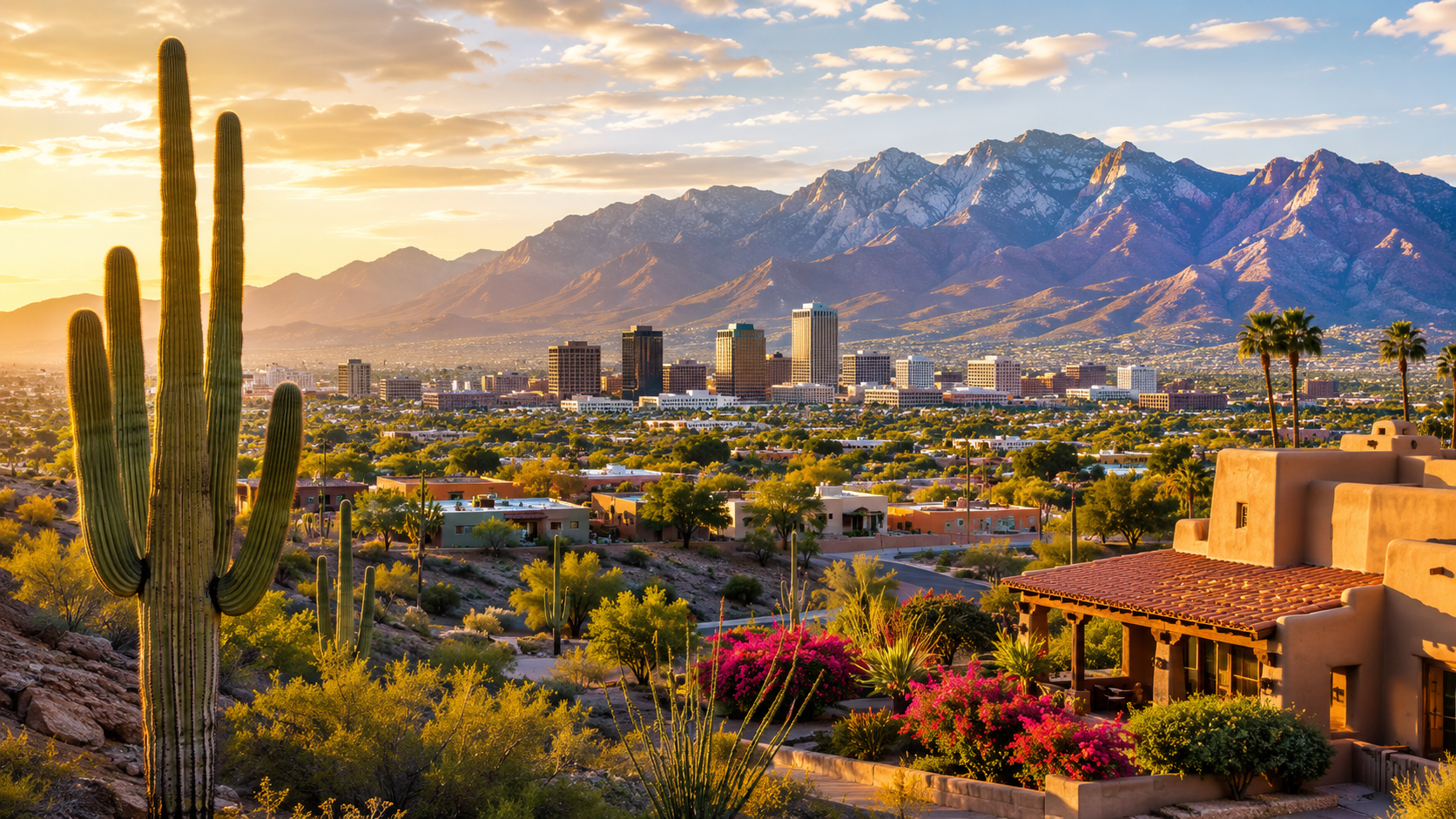
Tucson is the largest city in Southern Arizona and the county seat of Pima County. Mountains and protected desert lands surround much of the metropolitan area.
The setting creates scenic views and easy outdoor access. However, neighborhood locations can greatly affect commute times and daily convenience.
Choosing a Tucson Neighborhood
Downtown offers restaurants, entertainment, historic districts, and access to the Sun Link streetcar corridor. Nearby areas include El Presidio, Barrio Viejo, Armory Park, and neighborhoods surrounding the University of Arizona.
Meanwhile, eastern Tucson feels more suburban. Northern communities provide mountain views, while southern and western areas offer additional housing choices.
Housing in Tucson
Tucson provides apartments, adobe homes, historic properties, townhouses, and newer suburban developments. Prices and property styles vary across the city.
Before purchasing, review zoning, drainage conditions, insurance costs, and nearby development. Additionally, Pima County provides official floodplain mapping for property research.
Working in Tucson
Major employment sectors include healthcare, education, government, aerospace, defense, tourism, and technology. The University of Arizona also supports research and related employment.
Still, workplace location matters when selecting a neighborhood. Cross-city commutes can become longer during busy travel periods.
Getting Around Tucson
Most residents use personal vehicles for everyday travel. Major routes include Interstate 10, Interstate 19, Speedway Boulevard, Broadway Boulevard, and Grant Road.
However, Tucson also supports buses, bicycle routes, pedestrian improvements, and the Sun Link streetcar corridor. The city continues planning regional road, transit, safety, and bicycle projects.
Tucson International Airport
Tucson International Airport provides convenient access for regional and national travel. Its location south of central Tucson benefits residents throughout Pima County.
Phoenix Sky Harbor offers additional flight choices. However, reaching it generally requires a drive of roughly two hours.
Preparing for Desert Weather
Tucson has a dry desert climate with abundant sunshine and mild winter conditions. Summers are extremely hot, while monsoon season can bring sudden storms and localized flooding.
Reliable air conditioning should be a housing priority. Additionally, shaded parking, hydration, and energy costs deserve careful planning.
Schools and Higher Education
Several public school districts serve the Tucson area. Charter schools, private schools, and specialized programs provide further educational choices.
Therefore, families should verify assigned schools before choosing a property. Arizona School Report Cards provides official performance and district information.
The University of Arizona anchors higher education within central Tucson. Pima Community College also operates campuses across the region.
Parks and Outdoor Recreation
Tucson offers city parks, greenways, recreation facilities, mountain trails, and nearby protected desert lands. Popular destinations include Saguaro National Park, Sabino Canyon, and Tucson Mountain Park.
Cyclists and walkers can also use The Loop, a paved regional pathway extending more than 130 miles.
Shopping, Dining, and Entertainment
Downtown Tucson, Fourth Avenue, Main Gate Square, and Mercado San Agustín provide dining, shopping, and entertainment. Additional commercial areas extend throughout the city.
Tucson also features museums, historic sites, botanical attractions, golf courses, and performing arts venues.
Setting Up Utilities
Tucson Water allows residents to start or stop water service and manage utility bills online. Depending on the address, other providers may handle electricity, gas, sewer, or waste services.
Contact each provider before moving. As a result, service activation can be completed before the arrival date.
Final Thoughts
Tucson Arizona offers desert beauty, cultural character, outdoor access, and several distinct living areas. Careful neighborhood research will make relocation easier.
Most importantly, compare commute routes, school boundaries, flood information, and cooling costs before selecting a home.